
Different Types of Materials Planters Are Made Out Of
When designing a modern landscape, whether for a residential patio, commercial plaza, or large scale architectural project, the choice of planter material plays an important role. It affects not only the visual appeal of the space, but also durability, maintenance requirements, and overall performance. Today’s planters, especially those found in contemporary architectural collections, are designed to balance clean aesthetics with long term functionality.
Understanding the most common planter materials can help you choose the right option for your space.
Fiberglass Planters
Fiberglass is one of the most widely used materials in modern landscaping. It is made from a combination of glass fibers and resin, resulting in a strong yet lightweight structure.
One of the biggest advantages of fiberglass is its versatility. It can be shaped into sleek, modern designs and finished to resemble other materials like stone or metal. It is also highly resistant to weather, UV exposure, and corrosion, making it ideal for both indoor and outdoor use.
Because it is lightweight compared to other durable materials, fiberglass is often used in commercial settings where large planters need to be installed or moved with relative ease.
Metal Planters
Metal planters, including aluminum, stainless steel, and corten steel, are popular in contemporary and urban landscapes. They offer a clean, structured look that pairs well with modern architecture.
Corten steel is known for developing a natural rust like patina over time, giving it a distinctive, weathered appearance. Aluminum and stainless steel, on the other hand, provide a more polished and refined look while offering excellent resistance to rust.
Metal planters are durable and long lasting, though they can become heavy and may require attention to insulation and drainage to protect plant roots from temperature changes.
Concrete Planters
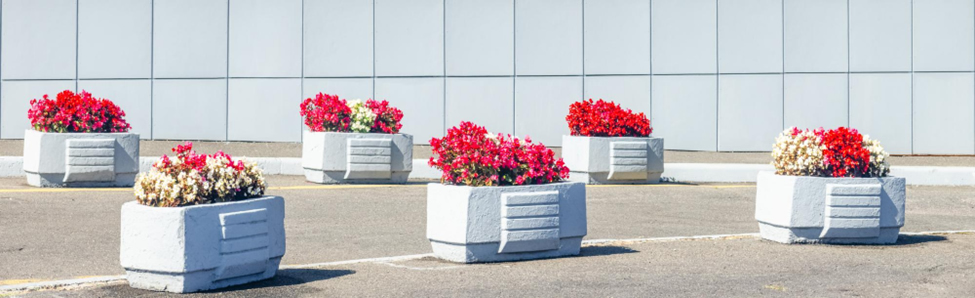
Concrete planters are a staple in architectural design. They are known for their strength, durability, and bold visual presence. These planters are often used in public spaces, commercial developments, and modern residential projects.
Concrete offers a minimalist look and can withstand harsh weather conditions. However, it is very heavy, which makes installation more permanent and less flexible. In some cases, it may also require sealing to prevent cracking over time.
Despite these considerations, concrete remains a top choice for projects where stability and long term durability are priorities.
Wood Planters
Wood brings a natural warmth to any landscape and is often used in residential gardens, patios, and outdoor living spaces. It creates a softer, more organic look that contrasts nicely with harder materials like metal and concrete.
While visually appealing, wood requires more maintenance. Exposure to moisture and the elements can lead to rot, warping, or fading if the material is not properly treated and sealed. For this reason, wood planters are best suited for spaces where ongoing care is manageable.
Ceramic and Terracotta Planters
Ceramic and terracotta planters are classic options that have been used for generations. They are often chosen for their natural appearance and ability to help regulate moisture in the soil.
These materials work well in smaller applications or decorative settings, but they are more fragile than other options. They can crack in extreme temperatures or if dropped, so they are typically better suited for controlled environments or areas with mild weather.
Plastic and Resin Planters
Plastic and resin planters are lightweight, affordable, and easy to maintain. They are available in a wide range of shapes and finishes, often designed to mimic more expensive materials.
While they may not offer the same high end look as fiberglass or metal, they are highly practical for everyday use. They resist moisture well and are easy to move, making them a convenient choice for many homeowners.
Stone and Composite Materials
Stone planters and composite materials combine durability with a refined appearance. Composite planters are often made from a blend of materials designed to replicate the look of stone or concrete while reducing weight.
These options are commonly used in upscale residential and commercial landscapes where both performance and aesthetics are important. They provide a strong, long lasting solution without some of the limitations of heavier materials.
Choosing the Right Material
Each planter material offers unique advantages. The right choice depends on your environment, design goals, and maintenance preferences.
Modern landscapes often favor materials like fiberglass, metal, and composites for their durability and clean lines, while traditional materials like wood and terracotta add warmth and character.
Ultimately, selecting the right planter material helps ensure your landscape not only looks great, but also performs well over time.
– Written by the staff writing team at HappyWriters.co