
Materials That Define Modern Furniture: From Glass to Polished Steel
Modern furniture is defined by clean lines, thoughtful proportions, and materials that feel both functional and visually striking. Unlike traditional furniture, which often relies heavily on ornate woodwork and decorative detailing, modern design emphasizes simplicity, structure, and the beauty of the materials themselves. From glass and polished steel to leather, stone, and engineered wood, the right materials can completely shape the personality of a room.
Glass: Creating Light and Openness
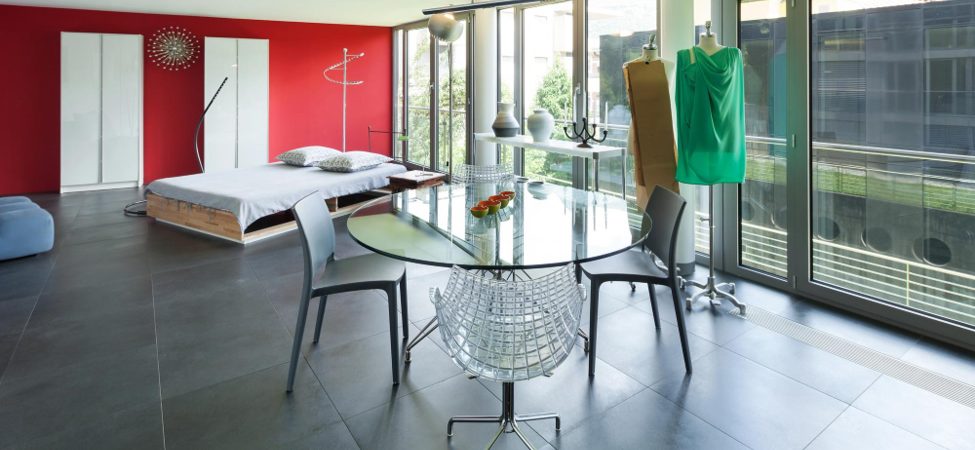
One of the most recognizable materials in modern furniture is glass. Glass tables, shelving, and cabinet fronts help create a sense of openness and lightness. In smaller rooms, glass furniture can make a space feel larger because it does not visually block the room.
A glass coffee table, for example, allows rugs, flooring, and surrounding furniture to remain visible, creating a clean and airy look. Tempered glass is especially popular because it offers improved strength and safety for everyday use. Whether used in dining tables, desks, or accent pieces, glass remains a staple of contemporary design.
Polished Steel: Sleek and Sophisticated
Polished steel is another defining material in modern furniture. Its sleek, reflective surface brings a crisp, contemporary edge to interiors. Steel is often used in table bases, chair frames, shelving units, and decorative accents.
It pairs beautifully with glass, leather, and stone, creating a sophisticated balance between strength and elegance. Polished steel also works particularly well in minimalist spaces because it adds visual interest without overwhelming the design. Its durability and timeless appearance continue to make it a favorite among designers.
Wood: Adding Warmth to Modern Spaces
Wood still plays an important role in modern furniture, but it is often used in cleaner, more streamlined ways. Rather than heavy carving or ornate shapes, modern wood furniture focuses on natural grain, smooth finishes, and simple silhouettes.
Walnut, oak, and ash are popular choices because they add warmth to spaces that might otherwise feel too cool or industrial. Wood helps balance materials like steel and glass, creating interiors that feel both contemporary and inviting.
Leather and Performance Fabrics: Comfort Meets Style
Modern seating often relies on leather and high quality performance fabrics. Leather offers a refined look and develops character over time, making it a popular choice for sofas, lounge chairs, and dining seating.
Performance fabrics provide comfort while standing up to daily use, making them ideal for active households. Neutral colors such as cream, charcoal, taupe, and black are frequently used because they allow the shape, texture, and craftsmanship of the furniture to take center stage.
Stone and Marble: Natural Luxury
Stone and marble have become increasingly common in modern furniture design. These materials are often found in tabletops, consoles, side tables, and decorative accents.
Natural stone introduces unique patterns and textures that make each piece feel one of a kind. When paired with polished steel or warm wood, marble and stone create a striking contrast that adds sophistication and depth to a room.
The Lasting Appeal of Material Driven Design
Ultimately, modern furniture succeeds because it combines beauty with purpose. Materials are selected not only for their appearance but also for their durability, texture, and ability to enhance the surrounding space.
Whether it is a glass table that opens up a room, a polished steel frame that adds architectural interest, a warm wood cabinet, or a marble accent piece, each material contributes to the clean and sophisticated aesthetic that defines modern furniture. By understanding the strengths of these materials, homeowners can create interiors that feel timeless, functional, and effortlessly stylish.
–Written by the staff writing team at HappyWriters.co