
Wood vs. Metal Stair Parts: Which Is Best for Your Space?
When planning a staircase renovation or building a new home, one of the most important design decisions involves selecting the right stair parts. From balusters and handrails to newel posts and decorative accents, the materials you choose play a major role in both the appearance and functionality of your staircase.
Two of the most popular options are wood and metal. Each offers distinct advantages, and the best choice often depends on your home’s style, maintenance preferences, and long term design goals. Understanding the strengths of both materials can help homeowners create a staircase that enhances the overall look and feel of their space.
The Timeless Appeal of Wood Stair Parts
Wood stair parts have been a staple of home design for generations. Their warmth, natural beauty, and versatility make them an excellent choice for a wide range of architectural styles.
Traditional homes often feature wood handrails, balusters, and newel posts because they create a classic and inviting atmosphere. Wood can be stained to highlight its natural grain or painted to match existing décor, giving homeowners significant design flexibility.
Another advantage of wood is its ability to complement many interior styles. Whether your home features farmhouse, craftsman, colonial, or transitional design elements, wood stair parts can seamlessly integrate into the overall aesthetic.
Wood also offers a softer visual appearance compared to metal. For homeowners seeking warmth and character, it remains one of the most popular staircase materials available.
The Modern Look of Metal Stair Parts
Metal stair parts have become increasingly popular in contemporary and transitional homes. Their clean lines and sleek appearance help create an open, sophisticated feel that works particularly well in modern interiors.
Metal balusters are often used to replace older wood spindles, instantly updating the appearance of a staircase. Black metal balusters, in particular, remain a favorite among designers because they provide strong visual contrast while maintaining a timeless quality.
In addition to aesthetics, metal offers excellent durability. It resists warping, cracking, and shrinking, making it a long lasting choice for busy households.
Many homeowners appreciate how metal stair parts allow more visibility through the staircase, helping spaces feel larger and more open.
Combining Wood and Metal for the Best of Both Worlds
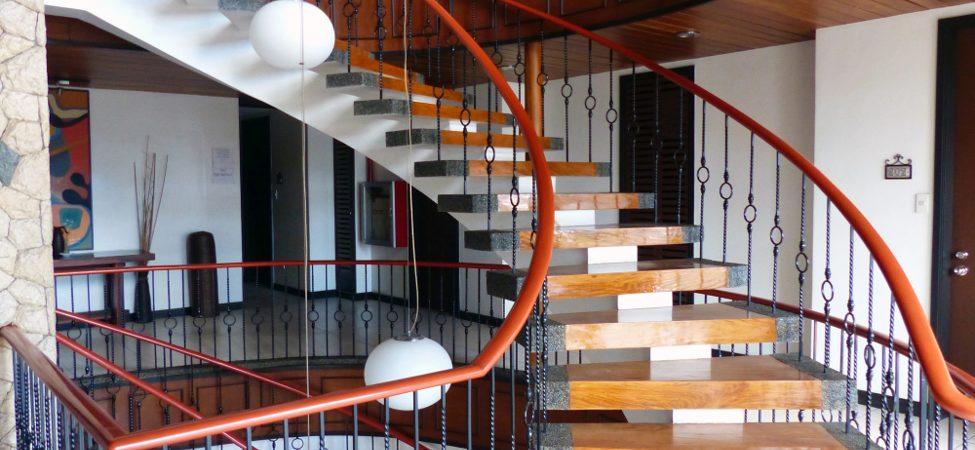
One of today’s most popular staircase design trends is combining wood and metal stair parts. This approach allows homeowners to enjoy the warmth of wood alongside the modern appeal of metal.
For example, a staircase may feature a stained wood handrail paired with decorative metal balusters. This combination works beautifully in transitional homes that blend traditional and contemporary elements.
Mixing materials also creates visual interest and allows greater customization. Homeowners can select stair parts that complement their flooring, cabinetry, lighting fixtures, and overall interior design.
Considering Maintenance and Longevity
Both wood and metal offer long term durability when properly maintained. Wood may occasionally require refinishing or touch ups, particularly in high traffic areas. Metal generally requires less maintenance but should still be inspected periodically for wear or loose connections.
When selecting materials, it is important to consider both appearance and lifestyle. Homes with children, pets, or heavy daily use may benefit from the durability of metal components, while homeowners prioritizing traditional beauty may prefer wood.
Choosing the Right Stair Parts for Your Home
There is no universal answer when deciding between wood and metal stair parts. The right choice depends on your home’s architecture, personal style, and renovation goals.
Wood offers warmth, timeless charm, and versatility. Metal delivers modern elegance, durability, and clean architectural lines. For many homeowners, a thoughtful combination of both materials provides the perfect balance.
By carefully selecting stair parts that complement your interior design, you can transform an ordinary staircase into one of the most striking and valuable features in your home.
– Written by the staff writing team at HappyWriters.co