
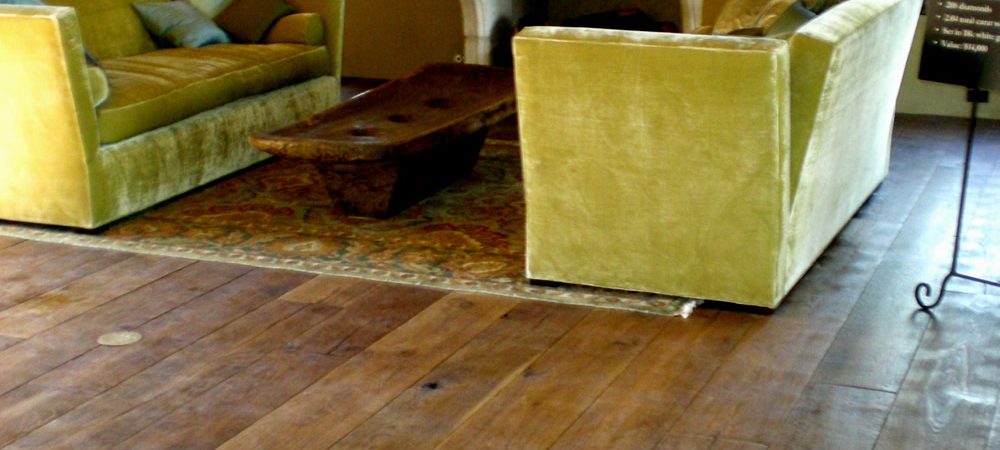
Designing a Living Room Around Reclaimed Wood and Natural Materials
Designing a Living Room Around Reclaimed Wood and Natural Materials
A well designed living room doesn’t need every surface, finish, and piece of furniture to match. In fact, some of the most inviting interiors feel as though they’ve evolved naturally over time. Reclaimed wood is particularly well suited to this approach because its knots, variations, marks, and patina immediately bring depth and history into a room.
Whether you’re beginning with reclaimed wood flooring, hand hewn beams, or another architectural element, allowing that material to become the foundation of the design can make the rest of your choices surprisingly simple.
Let the Wood Set the Tone
Reclaimed wood naturally draws attention, so give it room to do its job. Wide plank flooring can establish warmth throughout the room, while exposed beams bring character overhead and help define an open living space.
Rather than trying to perfectly match every other wood finish to the reclaimed material, look for complementary tones. A room often feels more authentic when several wood shades are present. The goal is to create balance while allowing the natural variations in reclaimed wood to remain visible.
Soften the Room With Linen
Once you’ve established a strong architectural foundation, softer materials can keep the space from feeling too heavy.
Linen works beautifully alongside reclaimed wood because its relaxed texture complements the imperfections and age of the material. Consider linen sofas, upholstered chairs, curtains, or throw pillows in understated shades. Wool rugs and woven textiles can add another layer of softness, particularly when paired with wood flooring.
These materials also help create the comfortable, lived in feeling that makes a living room somewhere people actually want to spend time.
Add Leather for More Character
Leather furniture is another natural partner for reclaimed materials. A leather chair or sofa can develop its own patina over time, allowing the room to become more interesting as it ages.
You don’t need an entire matching furniture set. One substantial leather piece alongside linen seating can create contrast while preventing the room from feeling overly coordinated. Antique or vintage furniture can add another layer of history.
Introduce Stone and Metal
Wood doesn’t have to carry all of the visual weight. Natural stone and metal can provide contrast while staying within an organic material palette.
A reclaimed stone fireplace can create a striking focal point, while a limestone side table or stone topped coffee table introduces texture on a smaller scale. Metal lighting, fireplace tools, hardware, or table bases can add definition without competing with the warmth of the wood.
Choosing finishes that will age gracefully helps maintain the collected feeling of the space.
Create a Room That Gets Better With Time
The beauty of designing with natural and reclaimed materials is that perfection isn’t the goal. Scratches, variations, worn edges, and changes in color can become part of the room’s story rather than flaws that need to be hidden.
Traditional Materials’ reclaimed wood flooring, beams, stone, and architectural elements make it possible to begin a living room with materials that already have history behind them. From there, thoughtfully chosen linen, leather, wood, stone, and metal furniture can build upon that foundation.
The result is a living room that doesn’t feel designed for a particular trend or moment. Instead, it feels layered, comfortable, and personal, with materials that can continue developing character for many years to come.
– Written by the staff writing team at HappyWriters.co