
The Financial Side of Building With Reclaimed Materials
The Financial Side of Building With Reclaimed Materials
Building or renovating with reclaimed materials can give a home something that’s difficult to achieve with newly manufactured products: a genuine sense of history. Reclaimed stone flooring, antique wood, weathered beams, terracotta, and architectural elements each bring their own variations, textures, and stories to a project. But sourcing materials with decades or even centuries of history also requires a slightly different approach to budgeting.
Rather than comparing reclaimed materials strictly by price per square foot, it helps to consider sourcing, preparation, transportation, installation, and long term value when establishing your project’s budget.
Budget for the Material You Actually Want
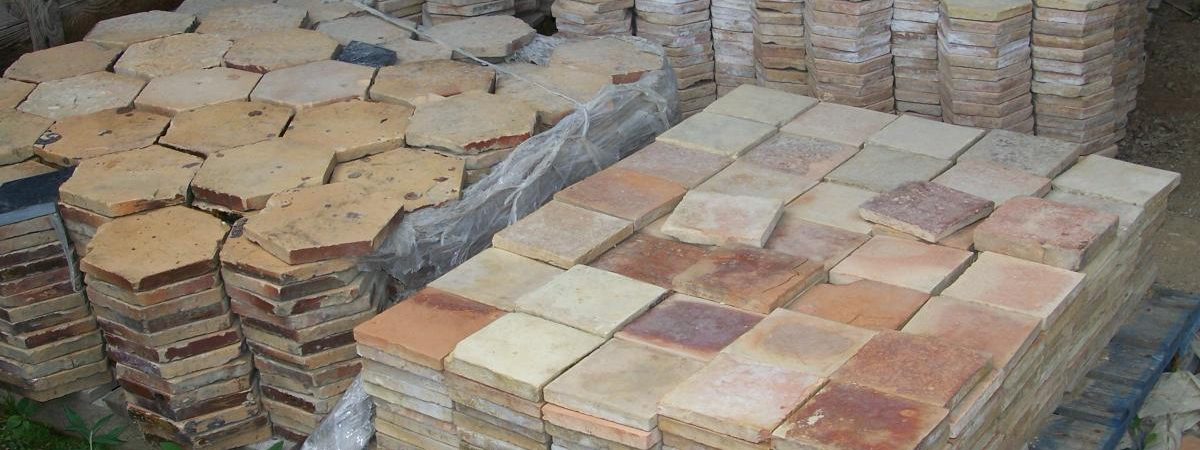
Standard building products are generally manufactured to consistent dimensions and can often be reordered relatively easily. Reclaimed materials are different. A particular batch of French limestone, antique terracotta, or reclaimed wood may be limited to what is currently available.
Start making material selections early and confirm how much you’ll need with your architect, designer, or contractor. Depending on the application, ordering additional material may be recommended to account for cuts, installation requirements, or future repairs.
With one of a kind architectural elements, availability can play an even bigger role. If an antique fireplace surround, fountain, door, or other distinctive piece is central to the design, it may make sense to build part of the project’s budget around securing that item early.
Consider the Cost of Sourcing and Transportation
Reclaimed materials don’t always take a direct route from manufacturer to jobsite. Traditional Materials sources rare architectural and building materials both domestically and internationally, including pieces with origins throughout Europe.
That makes transportation an important part of financial planning. Depending on the material, your budget may need to account for freight, handling, storage, and delivery to the project site. Heavy materials such as reclaimed stone can require particularly careful logistical planning.
Knowing these expenses earlier makes it easier to compare materials based on their total project cost rather than focusing only on the initial purchase price.
Plan for Specialized Installation
The character that makes reclaimed materials beautiful can also make installation more specialized. Antique wood may have variations that require thoughtful placement. Reclaimed stone can feature irregular edges, surface wear, and differences in thickness. Historic terracotta brings variations in color and texture that are part of its appeal.
Experienced installers understand how to work with these characteristics instead of trying to make every piece look identical. When developing your budget, talk with your contractor about labor requirements before purchasing materials so you have a realistic picture of installation costs.
Keep Payments and Project Records Organized
Custom projects can involve architects, designers, contractors, specialty installers, suppliers, and transportation companies, sometimes all at once. Keeping accurate financial records becomes especially important as deposits and final payments begin adding up.
Maintain copies of invoices, receipts, contracts, and payment confirmations in one place. If you’re paying suppliers or contractors with personal or business checks, record the check number, amount, recipient, and corresponding invoice. A simple system makes it much easier to understand where the budget stands and resolve questions later.
It’s also smart to maintain a contingency fund for unexpected expenses. Renovations have a way of revealing surprises, particularly when work begins on an older property.
Think Beyond the Initial Price
Reclaimed materials aren’t selected simply because they’re another option on a materials list. They’re often chosen because their age, patina, craftsmanship, and history contribute something distinctive to the finished space.
A centuries old stone floor or hand hewn beam can become a defining architectural feature rather than simply another building material. That makes budgeting for reclaimed pieces as much about deciding where you want to invest as determining where you can save.
– Written by the staff writing team at HappyWriters.co