
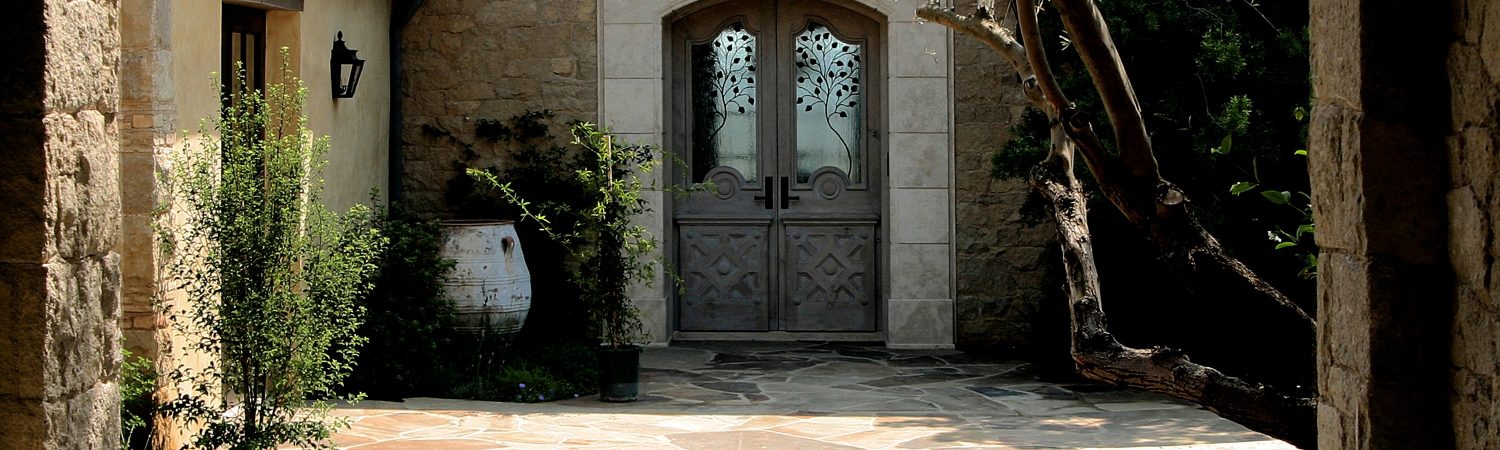
From Italian Villas to Modern Homes: Why Old World Materials Still Work
Historic Italian villas have a way of feeling elegant without looking overly polished. Their beauty often comes from materials that have changed gradually over time: limestone softened by generations of use, terracotta with natural variations, hand hewn beams marked by age, and marble that brings quiet sophistication to everyday spaces.
These materials may have centuries of history behind them, but they aren’t limited to traditional architecture. In contemporary homes, Old World materials can provide warmth, texture, and character while creating an interesting contrast with clean lines and modern furnishings. For homeowners who find themselves especially inspired by Italy’s architecture and culture, learning Italian can add another layer of appreciation for the traditions, craftsmanship, and history behind these enduring materials.
Start With the Character of Natural Stone
Limestone has long been associated with European architecture, and it’s easy to understand its lasting appeal. Its subtle variations and understated coloring allow it to make an impression without overwhelming a room.
Reclaimed limestone flooring can work beautifully in an entryway, kitchen, living room, or indoor outdoor space. In a contemporary setting, pairing aged stone floors with streamlined cabinetry or simple upholstered furniture creates a balance between old and new.
Marble offers another connection to Italian design. While often associated with grand villas and historic buildings, marble can feel surprisingly modern when used thoughtfully. A marble fireplace surround, countertop, or architectural accent can become a focal point without requiring the entire room to follow a traditional style.
Bring Warmth Underfoot With Terracotta
Few materials immediately bring the warmth of the Italian countryside to mind quite like terracotta. Its earthy coloring and natural variation give floors a relaxed quality that works especially well in kitchens, dining rooms, entryways, and sun filled living spaces.
Reclaimed terracotta offers something newly manufactured surfaces can’t easily duplicate: authentic wear. Subtle changes in color, texture, and edges give each tile its own personality.
Against modern furniture and minimal decor, that irregularity becomes even more noticeable and beautiful.
Look Up to Reclaimed Beams
Historic Italian interiors frequently make the structure itself part of the design. Exposed wooden beams add warmth overhead while giving large rooms a stronger sense of scale and history.
Reclaimed beams can have the same effect in a modern home. Pairing hand hewn wood with smooth plaster walls, large windows, or contemporary lighting creates contrast without making the space feel disconnected.
Aged wood can also appear elsewhere throughout the room, from flooring and doors to cabinetry and furniture. Rather than matching every wood tone exactly, allowing subtle differences can help a space feel collected over time.
Mix Centuries Instead of Choosing One Style
Using Old World materials doesn’t mean creating a reproduction of an Italian villa. In many cases, these materials become even more interesting when surrounded by contemporary design.
Imagine an antique limestone fireplace paired with a modern linen sofa, reclaimed wood floors beneath a sculptural metal table, or centuries old terracotta alongside simple cabinetry and understated lighting. The contrast allows both the historic and contemporary elements to stand out. Keeping furniture relatively simple can also give reclaimed architectural materials room to tell their own story.
Create a Home That Isn’t Tied to a Trend
Perhaps the greatest lesson of historic Italian design is that beautiful materials don’t need to look perfect or new. Stone wears, wood develops deeper character, and terracotta changes subtly with use. Those qualities are part of what makes these materials enduring.
The result isn’t strictly traditional or contemporary. It’s a home where different periods comfortably coexist, creating spaces that can continue becoming more beautiful with age.
–Written by the staff writing team at HappyWriters.co